In the rapidly evolving world of smart home technology and commercial interactive displays, two terms are often used interchangeably: Smart Mirror and Digital Mirror.
For procurement managers, hotel project developers, and electronics distributors, understanding the distinction between these two products isn’t just a matter of semantics—it directly impacts your project’s budget, functionality, user experience, and long-term maintenance.
If you’re sourcing from a digital mirror manufacturer or planning to integrate interactive displays into your next development, this guide will help you make the right decision.
What Is a Smart Mirror?
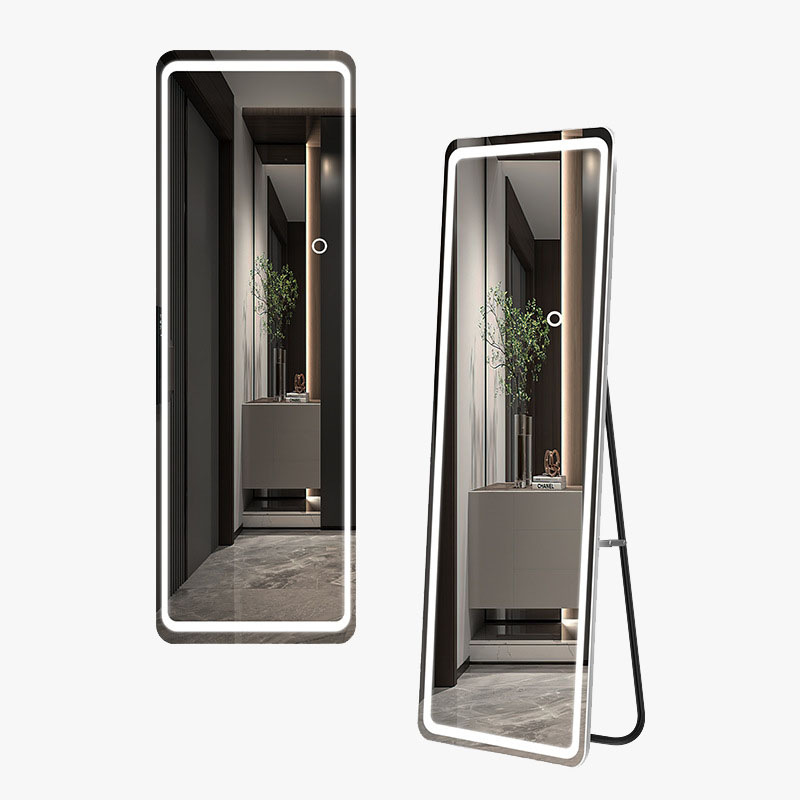
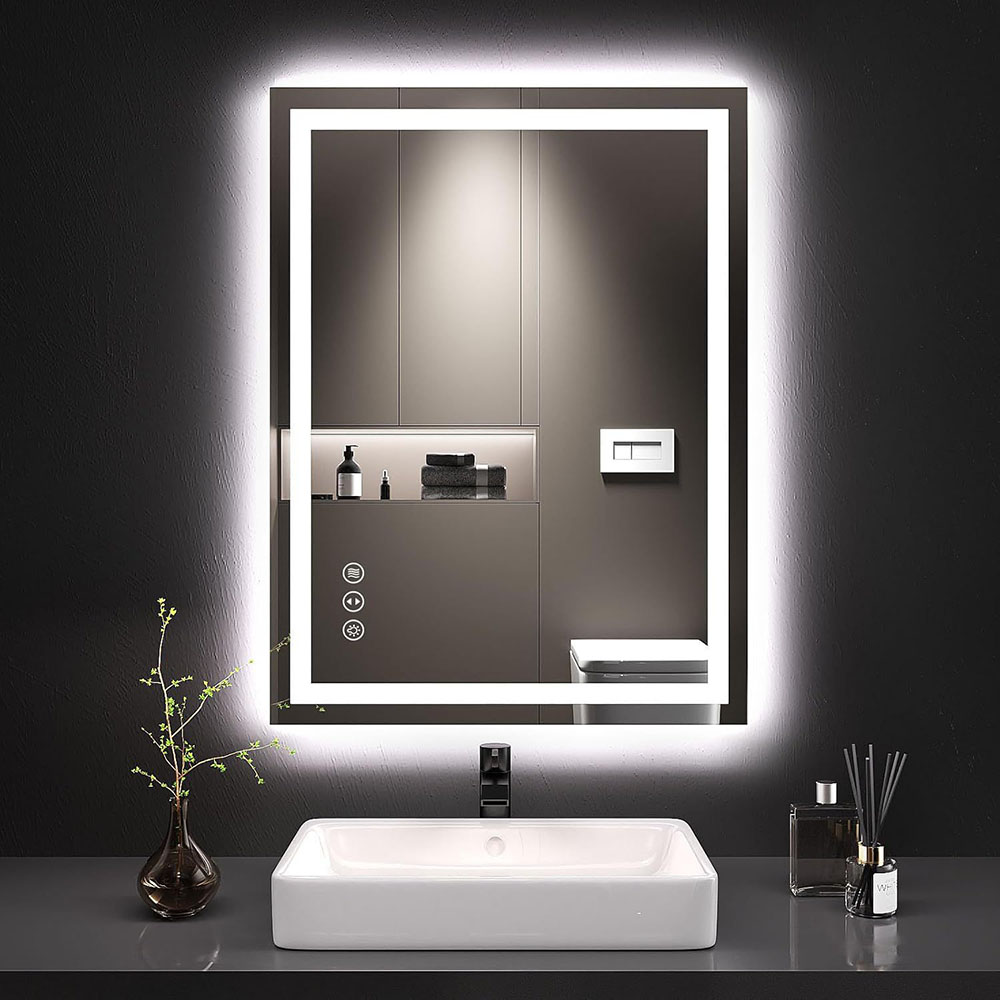
A Smart Mirror typically refers to a mirror with embedded basic smart features. These are most commonly found in residential bathrooms or high-end dressing rooms.
Core Features of Smart Mirrors:
- LED Backlighting: Adjustable color temperature (warm/cool) and brightness.
- Anti-Fog Function: Built-in heating pads to keep the mirror clear after hot showers.
- Touch Sensors: Often includes touch buttons for light control, defogging, and sometimes Bluetooth speakers.
- Simple Display: May show time, temperature, or date via an integrated display segment.
Smart mirrors are designed to enhance the mirror itself—they make a traditional mirror more convenient and aesthetically pleasing, but they do not function as a standalone smart device with an operating system.
What Is a Digital Mirror?
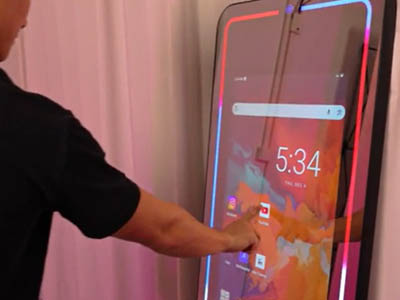
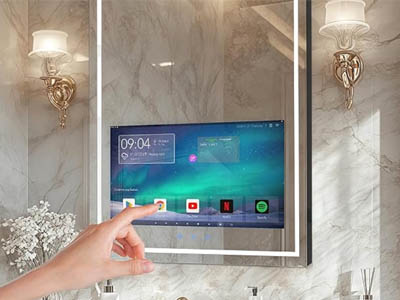
A Digital Mirror—also referred to as an interactive mirror or smart display mirror—is a more advanced category. It integrates a full LCD or OLED display behind the glass, running on an operating system such as Android or Linux.
Core Features of Digital Mirrors:
- Full Interactive Display: The mirror transforms into a touchscreen when activated, allowing users to watch videos, browse the internet, or run apps.
- Operating System: Android-based digital mirrors support third-party apps like YouTube, Spotify, Zoom, and custom APKs.
- IoT Integration: Can connect with hotel property management systems (PMS), gym equipment, or smart home hubs.
- AI & Sensor Capabilities: Some advanced models include facial recognition, body composition analysis, or augmented reality (AR) for virtual try-ons.
A digital mirror is essentially a fully functional smart device disguised as a mirror. It prioritizes interactivity and connectivity over passive reflection.
Key Differences at a Glance
| Feature | Smart Mirror | Digital Mirror |
|---|---|---|
| Primary Function | Mirror with enhanced lighting/defogging | Interactive display + mirror |
| Display Type | LED segments or small LCD area | Full HD/4K IPS display behind glass |
| Operating System | None or proprietary firmware | Android / Linux (full OS) |
| User Interaction | Touch buttons or motion sensors | Full touchscreen, voice control |
| Internet Connectivity | Usually none | Wi-Fi, Ethernet, Bluetooth |
| Applications | Residential bathrooms, luxury homes | Hotels, gyms, retail stores, medical clinics |
| IP Rating | Typically IP44 (splash-proof) | Up to IP65 (waterproof, suitable for wet environments) |
Which One Does Your Project Need?
Choosing between a smart mirror and a digital mirror depends entirely on your target application, user expectations, and technical requirements.
Choose a Smart Mirror If:
- You are supplying for residential projects where users only need basic functions like anti-fog and adjustable lighting.
- The budget is limited, and the goal is to add a premium feel without over-engineering.
- Installation is in standard bathrooms where internet connectivity is not guaranteed.
Choose a Digital Mirror If:
- You are working on commercial projects such as hotels, smart fitness centers, or retail stores that require interactive experiences.
- You need software customization—for example, a hotel mirror that displays guest names, weather, and room service menus.
- Your project demands remote management, OTA (over-the-air) updates, or integration with third-party APIs.
- You want to future-proof the installation with features like voice assistants (Alexa/Google Assistant) or health monitoring.
Why Commercial Projects Increasingly Prefer Digital Mirrors
In 2025, we are seeing a clear shift in the hospitality and retail sectors toward digital mirrors. Hoteliers are using them to increase room value and reduce printed materials; gyms use them for interactive workout guidance; retailers leverage AR mirrors to boost conversion rates.
From a B2B sourcing perspective, digital mirrors offer:
- Higher margins due to added software value
- Recurring value through software updates and app ecosystems
- Differentiation in a competitive market
Final Recommendation
If your project is purely residential and focused on bathroom luxury, a high-quality smart mirror is often sufficient and more cost-effective.
However, if you are developing for commercial environments, smart buildings, or tech-forward consumers, investing in a digital mirror provides the flexibility, interactivity, and scalability that modern users expect.
At Digital-Mirror.net, we specialize in OEM/ODM manufacturing of both smart mirrors and full Android-based digital mirrors. Whether you need a simple anti-fog mirror or a fully customized interactive display solution, we can tailor the hardware, software, and waterproofing to your exact project specifications.
Ready to bring intelligent mirror solutions to your next project?
Contact us today for a free consultation, samples, or a customized quote.