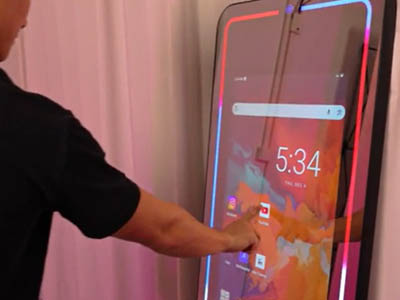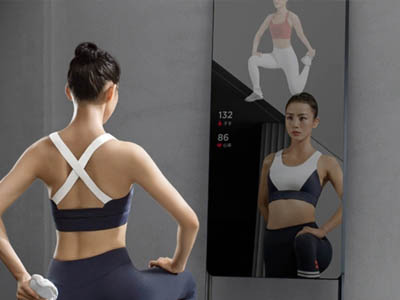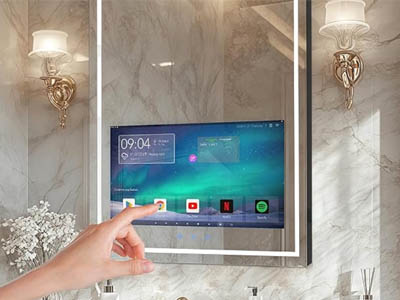
Sourcing digital mirror from overseas manufacturers—particularly from China—can be a lucrative opportunity for distributors, hotel procurement managers, and smart home integrators. However, the complexity of these products goes far beyond a standard mirror. With integrated electronics, operating systems, and varying environmental requirements, making the wrong sourcing decision can lead to high return rates, compliance issues, and unhappy end users.
To help you navigate this market, we have compiled the five most critical factors you must evaluate before placing your first bulk order. Whether you are a seasoned importer or new to the digital mirror category, this guide will ensure you partner with the right supplier and receive a product that meets your project specifications.
1. IP Rating: Waterproofing and Durability
Digital mirror is often installed in environments with high humidity, direct water exposure, or even outdoor settings. The Ingress Protection (IP) rating is the first and most non-negotiable factor to verify.
- IP44 (Splash-proof): Suitable for dry areas or bathroom zones away from direct water. Offers protection against splashes from any direction.
- IP65 (Waterproof): Ideal for steamy bathrooms, spa areas, or poolside installations. Fully protected against low-pressure water jets and dust ingress.
- IP67 and above: Required for outdoor installations or areas with direct hose-down cleaning. Provides temporary immersion protection.
What to ask your supplier: Request official IP test reports. Do not rely solely on marketing claims. Confirm that the sealing around the screen, ports, and wiring is factory-tested.
2. Operating System: Android vs. Linux
The operating system determines the mirror’s functionality, app ecosystem, and future updatability. Two main options dominate the market:
- Android-based Digital Mirrors: Offer a full Google-certified experience (or AOSP) with access to millions of apps, easy custom APK installation, and frequent OTA updates. Best for interactive applications like hotel concierge, retail kiosks, or fitness mirrors. However, ensure the supplier provides long-term software support.
- Linux-based Digital Mirrors: Typically run a lightweight, customized firmware. They boot faster, consume less power, and are extremely stable for single-purpose applications (e.g., displaying weather, time, or basic IoT controls). They are less flexible for third-party app integration.
Key consideration: If you plan to deploy custom software or need integration with existing PMS/CRM systems, choose Android and confirm that the supplier provides SDK/API documentation and source code access if necessary.
3. Display Quality: Brightness, Resolution, and Touch Sensitivity
The screen is the heart of a digital mirror. Unlike a standard TV, the display must be visible through reflective glass while maintaining high clarity. Evaluate these three sub-factors:
- Brightness (nits): For indoor use, 350–450 nits is standard. For brightly lit commercial spaces or windows facing sunlight, opt for 500–700 nits. Outdoor installations require 1000+ nits.
- Resolution: Full HD (1920×1080) is the minimum for a premium experience. 4K displays are available for larger mirrors (32 inches and above) where detail matters, such as in medical or high-end retail applications.
- Touch Technology: Capacitive touch is the industry standard for responsiveness. Ensure the glass is chemically strengthened (e.g., tempered) to withstand repeated touches without compromising safety.
Pro tip: Request a sample to test touch latency and viewability under your typical lighting conditions. A mirror that looks great in a showroom may be unusable in a brightly lit hotel lobby.
4. Installation Type & After-Sales Support
How the mirror is installed affects not only aesthetics but also maintenance and long-term reliability. Common installation methods include:
- Wall-Mounted (Surface Mount): Simplest to install, with wiring concealed behind the mirror or through a recessed box. Ideal for retrofits.
- Recessed (Flush Mount): Mirror sits flush with the wall, creating a seamless, high-end look. Requires precise wall preparation and is best for new construction.
- Frameless or Framed: Frameless designs offer a modern aesthetic but require robust mounting hardware. Framed options can hide wiring and are easier to service.
After-sales considerations: Digital mirrors are electronic devices. Verify the supplier’s warranty period (typically 1–3 years), replacement parts availability (especially the mainboard and screen), and whether they provide local technical support or remote troubleshooting. A reliable partner will offer clear RMA (return merchandise authorization) procedures.
5. Certifications: CE, FCC, RoHS, and More
Importing digital mirrors without proper certifications can result in customs holds, fines, or being unable to sell in your target market. Essential certifications vary by region:
- CE (Conformité Européenne): Mandatory for the European market, covering safety, electromagnetic compatibility (EMC), and radio equipment (if Wi-Fi/Bluetooth is included).
- FCC (Federal Communications Commission): Required for the United States to certify that the device does not cause harmful interference.
- RoHS (Restriction of Hazardous Substances): Restricts the use of lead, mercury, and other hazardous materials. Required in the EU and increasingly expected in other markets.
- UL/ETL: Safety certifications for North America. While not legally mandatory, they are often required by commercial insurers and large hotel chains.
- IP Rating Verification: Though not a certification per se, ensure the supplier can provide third-party test reports for the claimed IP rating.
Red flag: Suppliers who claim “CE” but cannot provide a Declaration of Conformity or test reports. Always ask for copies of certificates before placing a large order.
Bonus: Software Customization and OTA Updates
In a B2B context, the ability to customize the user interface (UI) and remotely update devices is a game-changer. Ask your potential supplier:
- Can you white-label the boot logo and pre-install our apps?
- Do you offer a cloud-based device management platform (MDM) to push updates and monitor device health?
- What is your policy on Android security patches?
Mirrors that cannot be updated will become obsolete within a few years, whereas those with OTA capabilities can gain new features and remain secure.
Final Thoughts: Partner with a Trusted Digital Mirror Manufacturer
Sourcing digital mirrors is a multifaceted process that requires technical scrutiny, supply chain reliability, and long-term partnership. At DIGITAL-MIRROR.NET, we combine OEM/ODM expertise with rigorous quality control. Our mirrors are built with industrial-grade components, certified for global markets, and backed by comprehensive after-sales support. Whether you need a basic IP44 bathroom mirror or a fully customized Android-based interactive display for a hotel chain, we are ready to assist.